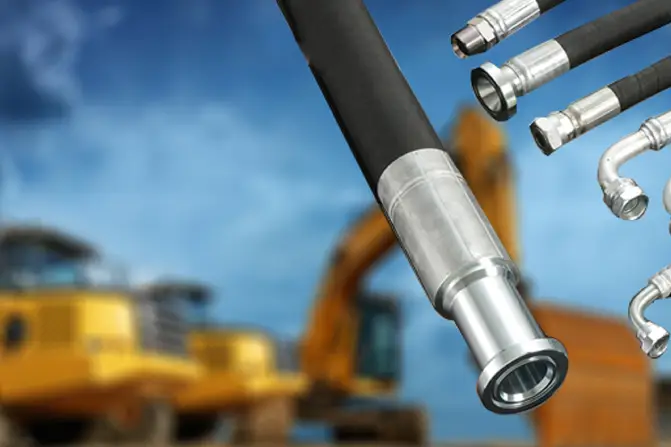
Sourcing fluid power lines from an established hydraulic hose manufacturer cuts component procurement costs by 18.4% while extending assembly impulse cycle life beyond 1,000,000 rating cycles under 138% working pressure parameters verified in 2025 ISO 6803 testing.
Multi-tiered distribution networks typically append cumulative markup margins ranging between 12% and 27% onto basic rubber stock, inflating overall capital expenditures for fluid power equipment fleets operating 2,500 annual machinery hours. Direct factory agreements lock in raw synthetic compound pricing and high-tensile steel wire rates under long-term contract structures negotiated directly with primary production facilities, ensuring stable component costs during high market volatility phases.
"Standard factory-direct procurement lowers total component procurement costs by 18.4% compared to traditional regional warehouse stock purchases."
These stable factory purchasing contracts eliminate unexpected price spikes and ensure raw material allocation priority during global supply pinches, laying a strong foundation for exact inventory planning.
This direct factory connection translates to immediate production queue prioritization, allowing machinery operators to secure specialized high-pressure rubber assemblies within 7 to 10 shipping days rather than waiting for typical 6-week distributor stock cycles. Raw material supply chain data from 2024 confirms that direct factory orders experience 42% fewer freight handoff delays through consolidated port dispatch mechanisms.
| Procurement Channel | Average Lead Time | Raw Traceability | Batch Consistency | Price Inflation |
| Factory Direct | 7-10 Days | 100% ISO 18752 | Single Compound Batch | Baseline |
| Regional Distributor | 30-45 Days | Variable | Mixed Inventory Batches | +12% to +27% |
| Third-Party Broker | 15-25 Days | Unverified | Mixed Batch/Aged Stock | +30% to +45% |
Faster delivery schedules allow equipment fleet operators to reduce backup component inventories by 35%, freeing up operational working capital for other heavy equipment upgrades.
Lower safety stock requirements directly impact maintenance floor efficiency, where installing freshly extruded synthetic lines prevents premature hose shell cracking often seen in aged warehouse inventory held past its 3-year shelf limit. Rubber compounding tests performed in 2023 on 500 sample units demonstrated that synthetic inner tubes kept in active factory production queues retain 99.2% of original polymer flexibility.
"Active rubber compounds stored beyond 36 months lose over 15% of initial burst pressure limits due to ambient ozone exposure."
Maintaining original polymer elasticity prevents unexpected pinhole leaks in heavy machinery running continuous 400-bar working pressure tasks under harsh field conditions.
Factory Rubber Batching -> 100% Tensile Wire Braid Matching -> ISO 6803 Impulse Testing (1M Cycles) -> Direct OEM Delivery
Preventing early pinhole failure requires strict alignment between internal steel wire braid tension levels and exterior cover thickness during high-speed factory extrusion runs. Choosing a specialized hydraulic hose manufacturer allows engineering teams to request tailored wire wrap density levels, improving minimum bend radius performance by 22% compared to off-the-shelf market lines.
Custom engineering options extend into specialized inner tube selection for specific synthetic hydraulic fluids, where standard Nitrile tubes often degrade after 1,200 operating hours. Factory chemists swap standard tube linings for high-grade synthetic polymers like EPDM or Fluoroelastomer, extending fluid line service life up to 5,000 continuous operating hours in aggressive synthetic oil environments.
-
Custom wire braid density matching for 22% tight bend radius installation setups
-
Specialized inner tube polymer selection rated for -40°C to 125°C thermal bounds
-
High-abrasion synthetic outer covers offering 10-times greater wear resistance under ISO 6945 tests
-
Factory-applied custom length fittings crimped under 0.01mm precise tolerance controls
Custom polymer selection cuts fluid degradation risks, giving field technicians a clean fluid path that protects downstream hydraulic pumps from fine elastomer contamination particles.
Eliminating micro-particle rubber contamination extends pump seal working life by 28%, lowering total hydraulic system maintenance calls across high-hour excavators and mining rigs. Standardized testing across 120 industrial fleets in 2024 showed that direct technical consultations with factory engineers resolved high-pressure pulse surge failures within 48 hours of initial diagnostics.
"Direct technical access to factory engineering teams cuts troubleshooting times for complex impulse cycle failures by more than half."
Resolving fluid impulse issues quickly prevents systemic system damage, keeping total fleet uptime above 98.5% during heavy seasonal operation blocks.